제품 상세 정보
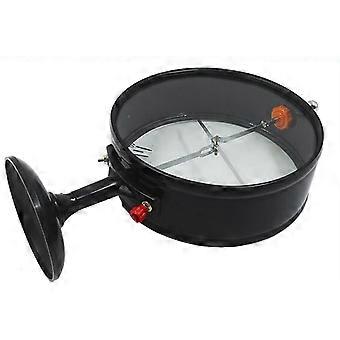
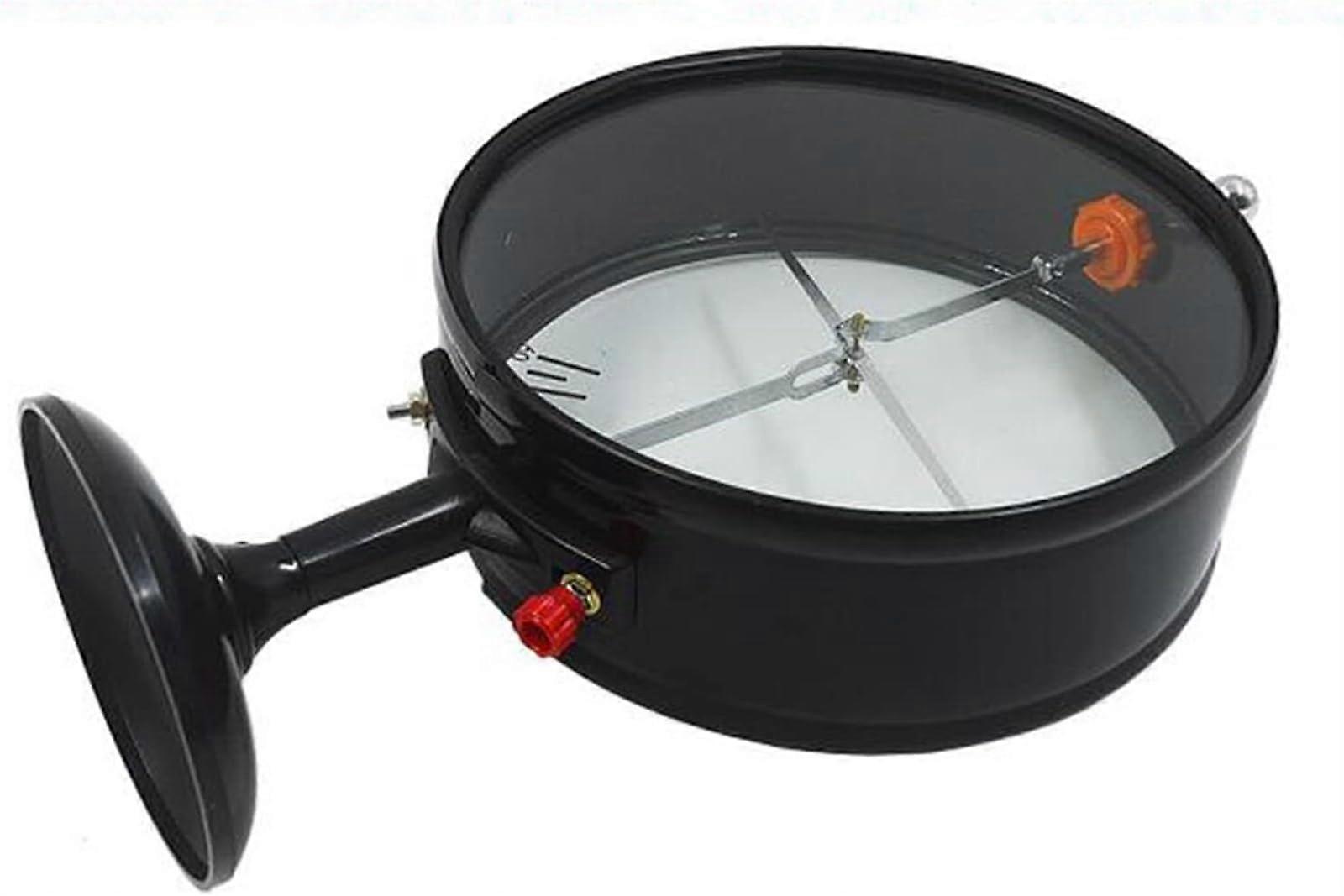
Electroscope Electrostatic Experiment Equipment for Physics Classroom Static Electricity Detection
Electroscope for Static Electricity Experiments
Key benefits
Provides a simple, reliable way to measure electric potential differences and detect static charge, solving the need for quick, visual diagnostics in teaching, lab work, and hobby experiments.
Helps determine whether an object carries charge and the sign of that charge, and distinguishes conductors from insulators without destructive testing.
Straightforward setup and operation reduce experiment time and make demonstrations repeatable and easy to interpret.
Main functions
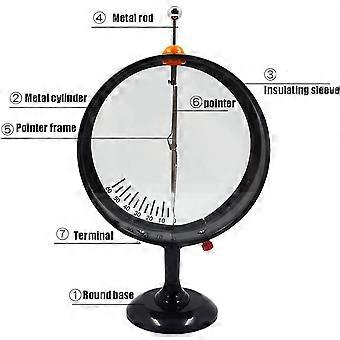
Measure potential difference between two charged bodies by connecting the metal shell to one body and the metal rod to the other while generally grounding the shell.
Detect whether an object is charged and determine if the charge is negative.
Test insulation properties by observing how charge dissipates when part of the object is grounded during contact with the electroscope.
Perform inductive electrification experiments and basic electrostatic demonstrations.
How it works
Potential difference measurement: connect the electroscope metal shell to one charged body and the metal rod to the other. Ground the shell as needed. If the earth potential is treated as zero, the electroscope indicates the relative electric potential of each charged body.
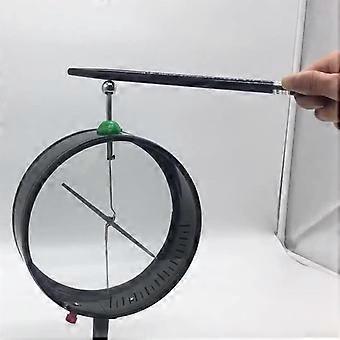
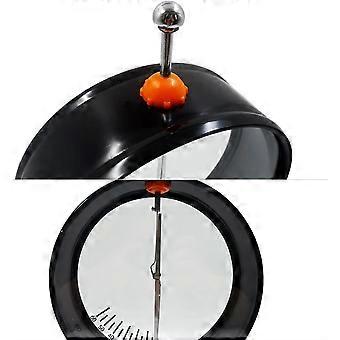
Charge detection: touch the object to the electroscope ball to transfer a small charge, then observe the pointer. Alternatively, contact the object directly with the metal rod for direct transfer and detection.
Insulation test: ground the object by touching it, then apply a charged metal rod to another point on the object while watching the pointer. If the pointer returns to zero quickly, the object behaves as a conductor; if the pointer remains deflected, the object is insulating.
Compatibility and typical setup
Designed for standard electrostatics lab setups and classroom demonstrations.
Intended for use with common charged bodies and grounding methods used in physics education and basic materials testing.
Operation tips
Ensure a good electrical connection between the electroscope components and the objects under test for accurate readings.
Ground the shell when measuring potential differences to reference the measurement to earth potential.
Use gentle contact when transferring charge to avoid dislodging the instrument or causing unwanted discharge.
Practical applications
Physics classroom demonstrations: show induction, charge transfer, and potential difference concepts with clear visual feedback from the pointer.
Materials testing: quickly assess whether a part or sample is conductive or insulating under static conditions.
Hobbyist and educational experiments: perform inductive charging, charge sign identification, and comparative potential measurements in a compact, lowcomplexity setup.
Performance notes
Provides visual, qualitative and comparative measurements of electric potential and charge presence suitable for instructional and basic laboratory use.
Works effectively when used with standard grounding techniques and charged objects commonly encountered in electrostatics experiments.
Contents and use
Use as described in standard electroscope procedures: connect shell and rod to respective test bodies, ground as needed, transfer charge by contact or induction, and observe pointer response to interpret results.
This electroscope delivers essential functions for static electricity experiments in a clear, easy to use format suited to classrooms, labs, and educational demonstrations.
-
Fruugo ID:
476366449-993601260
-
EAN:
6273452094956